
About
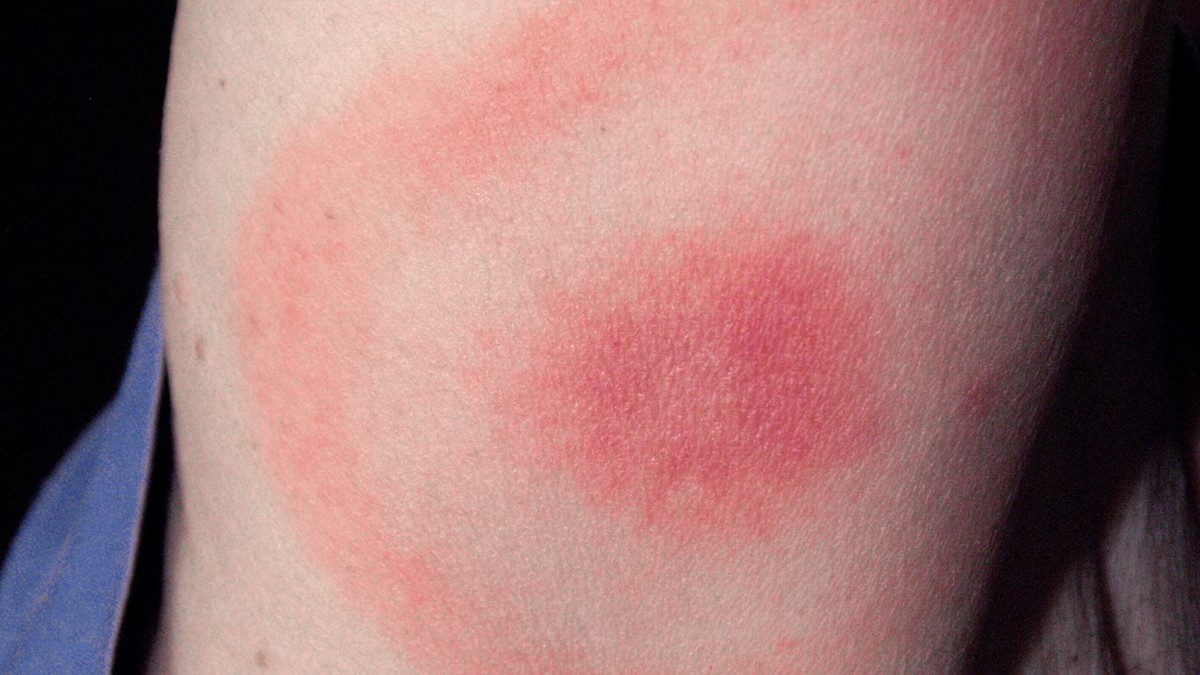
Lyme disease, the most common vector-borne illness in the Northern Hemisphere and USA, is caused by the spirochetal pathogen Borrelia burgdorferi. Bacterial infection and dissemination culminates in a multisystem inflammatory illness with a broad spectrum of clinical manifestations including arthritis, carditis, and neuroborreliosis. B. burgdorferi is transmitted to humans through Ixodes ticks. To establish infection and to cause disease, B. burgdorferi must maintain its tick-mammal life cycle. It remains enigmatic how this recalcitrant pathogen interacts with ticks and animals to establish its persistence and cause tissue damages. Research in my laboratory is to understand how B. burgdorferi exploits complex genetic networks to decipher disparate tick and mammal signals and tailor its transcriptome, proteome, metabolome, and surface architecture for host adaptation.
Funding
National Institutes of Health (NIH)
National Institute of Allergy and Infectious Diseases
USF Microbiome
USF Internal awards


AWARDS AND RECOGNITION
Honoring Sierra George Cardinale
2025: USF Outstanding Thesis & Dissertation Award
2024: Doctoral Student Research-Basic Science Award, USF Research Day
2023: Krzanowski Career Development Award
2023: Student Leader of the Year Award
2023: Doctoral Student Research-Basic Science Award, USF Research Day
2021:Krzanowski Career Development Award
2020: 1st Place Oral Presentation, Molecular Medicine Conference
Honoring Connor Waldron
2026: Best in Allergy, Immunology and Infectious Disease Graduate Student Poster Presentation
