

Welcome to the USF iMH Lab!
The iMH lab is located in the University of South Florida's Department of Psychiatry and Behavioral Neurosciences and is directed by Dr. Brian Bunnell, Assistant Professor of Psychiatry and Co-Founder of Adhere.ly.
Check out our ongoing studies and publications and let's brainstorm some innovative solutions together!
Our Research
Empirical Assessment
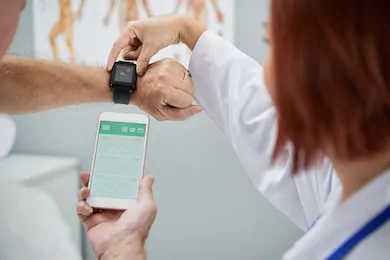
Our research focuses on multimodal approaches to the empirical assessment of mental health disorders (eg, depression, PTSD, stress, sleep) across the developmental spectrum. This includes studies using functional behavioral assessment of behavioral skill and anxiety–including self-report and physiological indicators of emotional distress (eg, heart rate variability, electrodermal activity), and the assessment of daily emotional/behavioral functioning and functional impairment, sleep quality via sleep actigraphy, and stress via salivary cortisol over designated time-periods.
Measurement and Prediction
Our research aims to improve the measurement and prediction of mental health disorders (eg, anxiety, PTSD, depression) and associated functional impairment. This includes examining the psychometric properties of established assessments and developing new questionnaires to improve the measurement of certain clinical constructs. This also includes using Artificial Intelligence (eg, Deep Learning, Natural Language Processing) to identify risk factors for psychopathology and related functional impairment.

Design and Evaluation of Digital Health Solutions
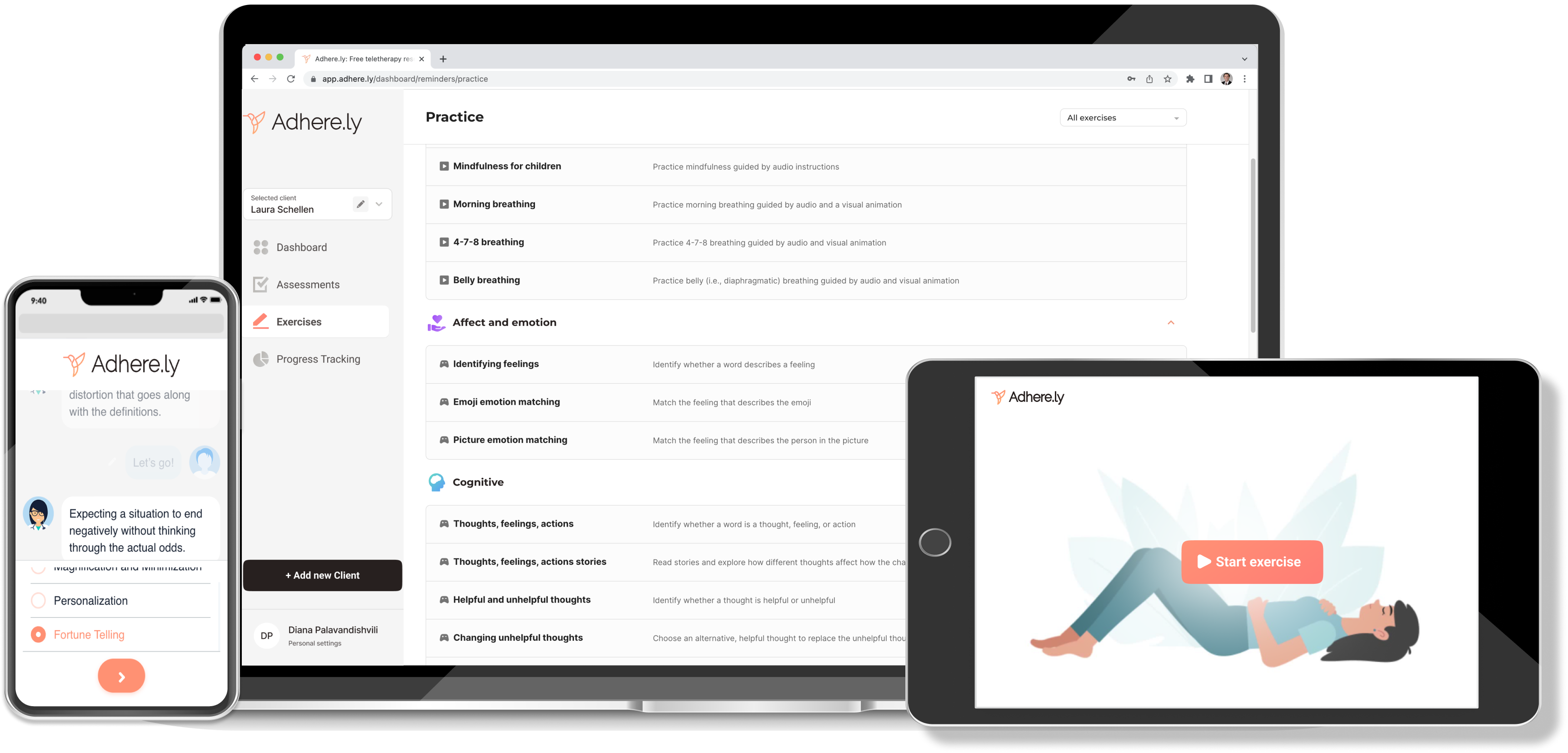
Our research focuses on the iterative, user-centered development and evaluation of new digital health solutions to improve healthcare access and quality. This includes web-based provider trainings in evidence-based practice (eg, CBTiweb.org), mobile self-monitoring resources, mHealth and telemedicine-based stepped-care interventions, and web- and mobile-app based resources to augment and improve treatment in terms of provider skill and patient engagement and adherence to provider recommendations (eg, Adhere.ly).
Extended Reality for Mental Health
Our research focuses on examining the clinical utility of Extended Reality (ie, Virtual and Augmented Reality) in the treatment of mental health disorders. This has included the iterative user-centered design, development, and evaluation of Doxy.me VR, a telemedicine-based virtual reality clinic for therapists to provide state-of-the art therapy to their clients.


Telehealth Quality, Safety, and Outcomes
Our research examines telemedicine quality, safety, and outcomes as well as patient and provider usage and preferences, its overall application in “real world” clinical practice settings. By gaining a better understanding of these factors I hope to positively influence US policy to develop evidence-based digital health strategies and support more permanent policy decision-making.
Latest Updates


Our Partners and Collaborators