

Research
Tackling Alzheimer's disease
Dr. Amy R. Nelson's lab is committed to eliminating Alzheimer's disease and related dementias. To do this, we seek to identify root causes of dementias and to determine whether interventions may be helpful in preventing and/or improving memory loss. We are scholars performing rigorous research to answer critical basic, translational and clinical research questions.
Pneumonia and the brain

Severe pneumonia causes incident dementia, and increases the risk of Alzheimer's disease. The Nelson lab has found that the Alzheimer's disease pathological player called tau also plays a role in the neurovascular changes caused by pneumonia in experimental models (Chaney et al., 2026, Commun Biol, and Lin et al., 2026, Am J Respir Cell Mol Biol). We are working to further understand shared and distinct roles of tau in pneumonia and Alzheimer's disease.
Pericyte physiology

Pericytes are cells that support blood vessels throughout the body. In the brain, these cells are able to contract, regulate brain blood flow and maintain the blood-brain barrier. In Alzheimer's disease, there is an early reduction in brain blood flow and increased blood-brain barrier permeability. We are studying brain pericyte physiology in health and disease. We seek to reveal whether they play a role in Alzheimer's disease pathophysiology.
Dementia in organoids

Although rodent studies have provided researchers insights into dementia pathogenesis, rodents without genetic modifications do not develop several hallmarks of Alzheimer’s disease, including β-Amyloid plaques and neurofibrillary tau tangles. We are using 3D human brain models in a dish to further understand Alzheimer's disease in the human context.
Lighting the way
Forefront of Research
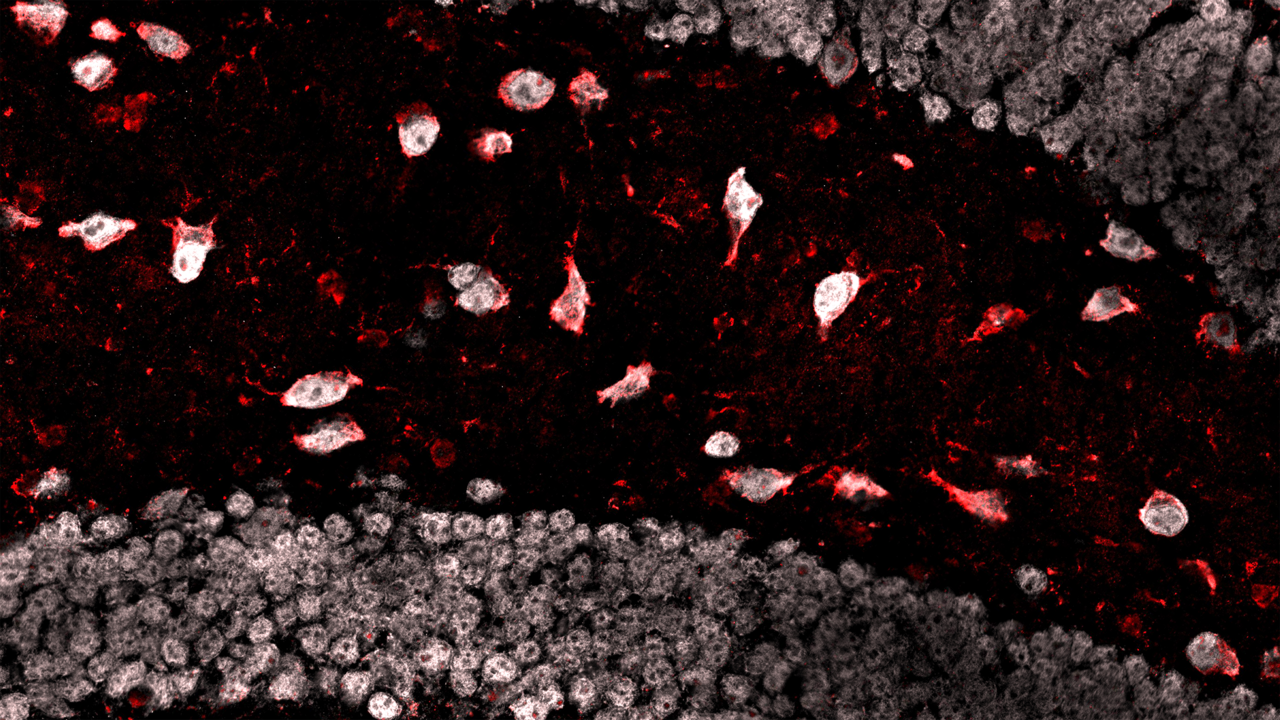
We recently found that tau is required for pneumonia-elicited blood-brain barrier breakdown and astrocyte reactivity in the brain. Check out our recent publication, "Tau is necessary for Pseudomonas aeruginosa-induced blood-brain barrier dysfunction", by clicking on the link below.
Team
Our Team on The Forefront of Research
The best science begins with a collaborative team that brings new perspectives and unique skill sets to the bench. We are a team who share a passion for understanding Alzheimer's disease and related dementias, and a vision to discover ways to stop these devastating diseases.
Our Latest Updates


Our Current and previous funders
Thank you to those who support our work!