Research

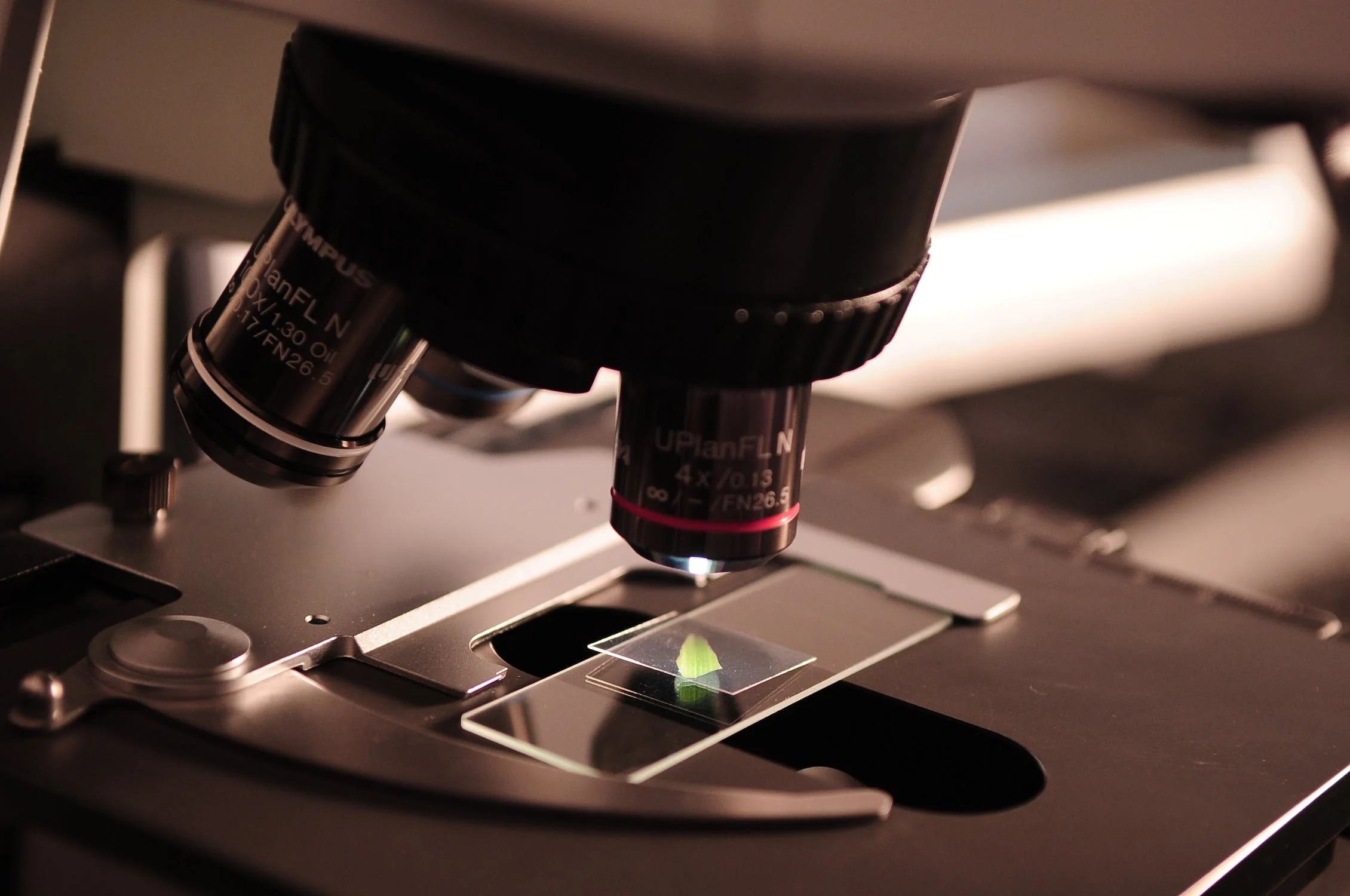
microscope

Regenerative & Cell-Based Therapies

Developing and evaluating mesenchymal stem cell and other regenerative approaches for sepsis and acute critical illness.

Test tubes

Endothelial & Cardiovascular Dysfunction

Investigating endothelial injury, vascular dysfunction, and cardiopulmonary stress as key mechanisms of organ dysfunction in sepsis.

Lab bench

Emergency & Critical Care Translation

Designing strategies to deliver biologically targeted therapies for sepsis during the earliest stages of emergency care.

Recent Publications

  • Premer, Courtney, Joshua M Hare, Sarah Y Yuan, and Jason W Wilson. (2025) 2025. “Mesenchymal Stem/Stromal Cells As a Therapeutic for Sepsis: A Review on Where Do We Stand?”. Stem Cell Research & Therapy 16 (1): 245. https://doi.org/10.1186/s13287-025-04371-w.

    Sepsis is one of the leading causes of morbidity and mortality in the United States and Worldwide despite advances in quick recognition and early antibiotics, fluids, and vasopressors. Mesenchymal stem/stromal cells (MSCs) have gained attention as a biologic therapy given their unique anti-inflammatory, immunomodulatory, and anti-bacterial characteristics. MSCs have had success in treating a range of diseases, however limited clinical trials exist specifically for MSC use in sepsis. This article reviews the properties of MSCs that make them favorable for treating sepsis, as well as the current state of clinical trials. All clinical trials presented here demonstrated MSC safety, with a mixture of efficacy results and a heterogeneity of trial methods. Ultimately, MSCs are a promising novel therapeutic for sepsis, however a consensus in cell source, dosage, preparation, and delivery needs to be further investigated for MSCs to transition from bench to bedside and become a true therapeutic for sepsis.

  • Premer, Courtney, and Kelsea Caruso. (2024) 2024. “Safety Profile of the Most Ordered Medications for Breastfeeding Patients in the Emergency Department.”. The American Journal of Emergency Medicine 80: 1-7. https://doi.org/10.1016/j.ajem.2024.02.042.

    BACKGROUND: Emergency Medicine (EM) physicians routinely treat breastfeeding patients. Physicians frequently recommend pumping and dumping milk for perceived safety risks. We hypothesized that the majority of the most commonly ordered medications in the emergency department (ED) are safe for breastfeeding patients. Accordingly, we performed a comprehensive safety analysis of the commonly ordered medications and provided an algorithm for EM physicians to utilize when treating breastfeeding patient in the ED.

    METHODS: We investigated the 90 most administered medications to female patients between the ages of 15 to 50 for common ED chief complaints at a tertiary care academic medical center from January 2018 to December 2022. A total of 145,960 doses were analyzed. We subsequently searched LactMed®, InfantRisk Application, and Pubmed® for all safety information on these medications and divided them by categories. Ultimately, we proposed a treatment algorithm for breastfeeding patients in the ED.

    RESULTS: Analgesics were the most commonly ordered medications in the ED, and importantly analgesics ranging from ibuprofen to morphine are safe in limited doses in the ED setting. Antibiotics and antifungals pose limited restrictions. All systems-based medications have a variety of safe options available. Lastly, supplements and electrolytes are safe.

    CONCLUSION: The majority of medications utilized in the acute setting are compatible with breastfeeding. There should be limited circumstances to advise pumping and dumping in the ED.

  • Utamsingh, Pooja D, Susan A Gutierrez, Laura Victoria Chamorro Dauer, and Courtney Premer. (2022) 2022. “When a Normal Newborn Screen Is Not Normal”. Open Journal of Clinical & Medical Images 2.

    Introduction: Ornithine Transcarbamylase (OTC) deficiency-an X-linked disorder-is the most common urea cycle defect in infancy and often presents with elevated ammonia.

    Case presentation: A 2-month-old with a normal newborn screen presented with feeding difficulties. The patient was incorrectly diagnosed with gastroesophageal reflux, which at 4 months progressed to recurrent vomiting. At 5 months he developed status epilepticus, was found to have an ammonia level >500 micromol/L, and genetic testing revealed OTC deficiency.

    Conclusion: Despite a normal newborn screen, unusual infant presentations need to be approached with a broad differential in order to prevent deleterious outcomes.

  • Premer, Courtney, Ivonne H Schulman, and Jennifer S Jackson. (2021) 2021. “The Role of Mesenchymal Stem/Stromal Cells in the Acute Clinical Setting.”. The American Journal of Emergency Medicine 46: 572-78. https://doi.org/10.1016/j.ajem.2020.11.035.

    INTRODUCTION: Accumulating evidence supports the use of mesenchymal stem/stromal cells (MSCs), particularly bone marrow derived, as a safe and promising biologic therapy for promoting tissue repair and regeneration in various chronic diseases and disorders. Despite growing evidence that MSCs are potent anti-inflammatory mediators that can provide substantial benefits in acute organ injury, there are limited clinical trials utilizing MSCs in acute care settings, such as in the emergency department (ED) or intensive care unit (ICU).

    OBJECTIVE: This article reviews the current state of MSC-based therapeutics and further explores the untapped potential role to treat various acute, life-threating injuries in the ED and ICU.

    DISCUSSION: All clinical trials using MSCs in acute myocardial infarction (AMI), acute respiratory distress syndrome (ARDS), sepsis and acute kidney injury (AKI) demonstrated safety. While some also demonstrate clinical efficacy, efficacy data is inconsistent, with some studies limited by sample size, cell integrity and different dosages, necessitating further studies.

    CONCLUSION: MSCs are potentially promising novel biologic therapeutics for clinical application in AMI, ARDS, sepsis, AKI and COVID-19 that have demonstrated safety in all clinical trials. More rigorous clinical trials are necessary and warranted to determine the efficacy of MSCs as a novel therapeutic in an acute setting, such as the ED.

  • Neves, Amanda Ferreira, Christian Camargo, Courtney Premer, Joshua M Hare, Bernard S Baumel, and Milena Pinto. (2021) 2021. “Intravenous Administration of Mesenchymal Stem Cells Reduces Tau Phosphorylation and Inflammation in the 3xTg-AD Mouse Model of Alzheimer’s Disease.”. Experimental Neurology 341: 113706. https://doi.org/10.1016/j.expneurol.2021.113706.

    Mesenchymal stem cell (MSC) administration is a novel and promising therapeutic approach for Alzheimer's disease (AD). Focusing on an intervention easily translatable into clinical practice, we administered allogeneic bone marrow-derived MSCs intravenously in a mouse model of AD (3xTg-AD). We systematically evaluated the effects of a single-dose and multiple-doses of MSCs in young and old mice (5 or 10 months old), comparing the short-term and long-term effects after 1, 2, or 7 months of treatment. A single dose of MSCs in young mice attenuated neuroinflammation 1 and 7 months after injection, whereas multiple-doses did not show any effect. Multiple-doses of MSCs (administered at 5 to 12 mo, or 10 to 12 mo) reduced the β-secretase cleavage of the amyloid precursor protein, although levels of Aβ-42 did not change. Most interestingly, multiple doses of MSCs affected tau hyperphosphorylation. MSCs administered in young mice for 7 months decreased the pathological tau phosphorylation at T205, S214, and T231. MSCs administered in old mice for 2 months decreased tau phosphorylation at S396. Our findings show how different timing and frequency of MSC injections can affect and modulate several aspects of the AD-like neuropathology in the 3xTg-AD mouse model, strengthening the concept of fine-tuning MSC therapy for Alzheimer's disease.